Physical Address
H 100 Okhla Phase 1, New Delhi 110020
Physical Address
H 100 Okhla Phase 1, New Delhi 110020

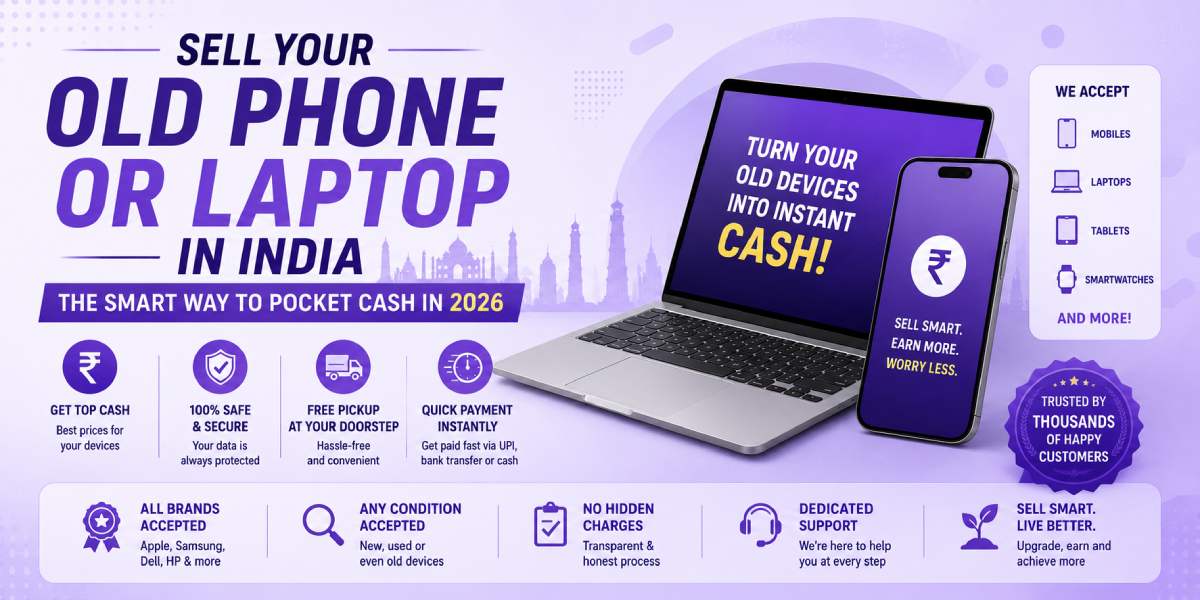
Hi! Think about that antique mobile lying in your cupboard, or the used laptop which is working like hell to keep you up all night binging on Netflix shows? As a nation of fast upgraders, Indians understand the importance of selling off old devices and buying newer gadgets such as the iPhone and MacBook.
With a huge second-hand electronics market (worth more than ₹50,000 crore and rising by 20% annually, according to the latest stats), 2026 is the perfect year to make that profit. But how do you sell your old device? No scams and no hassles. In our ultimate guide to second-hand electronics, we will cover everything from preparing your gadget to choosing the right platform to sell it. So read on!
Imagine this: you’re in Ghaziabad or Delhi, browsing on Flipkart to look for a brand new Samsung Galaxy, but your pocket is telling you that not so soon. The solution to your problem will be to sell your used device. India purchases more than 200 million smartphones in a year, while even more are traded in their secondary state. How about laptops? With work from home still the norm post-pandemic, people tend to purchase used devices for their study or job purposes.
Economically speaking, it’s a double advantage situation since a two-year-old iPhone 13 costs anywhere between ₹25,000–₹35,000; similarly, a OnePlus 9 smartphone, which is just one year old, would cost around ₹15,000. Coming to laptops, for instance, a two-year-old Dell Inspiron model would range between ₹20,000 and ₹40,000. No EMIs, just pure cash for you to buy presents for Diwali or pay the tuition fee.
Environmentally, you’re an absolute winner as well since India produces more than 3 million tonnes of e-waste every year. This is mostly due to the disposal of outdated devices. Selling these properly prevents metals such as gold or copper from being discarded and allows reuse. Besides, with an inflation rate of 5-6%, every single penny counts nowadays.
Don’t just snap a pic and post—prep like a pro to boost your payout by 20-30%. Here’s how, broken down simply.
First, give it a thorough cleaning. Scrub your screen free of smudges using a microfiber cloth soaked in isopropyl alcohol. If you’re selling a laptop, brush off its keyboard and ports from any dust.
Next, back up everything. Android: Use Google Drive; iPhone: iCloud (up to 5GB free); laptop: use an external HDD or OneDrive. Next, do a factory reset: Android: Settings > System > Reset; iPhones: Settings > General > Transfer or Reset iPhone. Windows laptops: Settings > Update & Security > Recovery.
Documentation purchase: Original box, charger, receipt, and warranty card. These ensure the genuine nature of the product, particularly for expensive products from companies such as Apple and Lenovo. If there is no original box, that is not an issue; just make sure to tell the client.
Functionality test: Run applications like Phone Doctor on smartphones or HWMonitor on laptops. Record battery percentage (must be at least 80%), camera, and any scratches. Honesty is paramount; surprise is never appreciated by customers.
Price it right. Check OLX, Cashify, or Quikr for similar listings. Factor in age, condition, and market trends—like how post-Launch Day hype drops old model prices 15-20%. Tools like 91mobiles’ price tracker help here.
Pro tip: Take killer photos in natural light, multiple angles, including flaws. A quick video demo of it booting up? Gold for sceptical buyers.
India’s got options galore, from quick-cash apps to auction sites. Let’s break down the best, pros, cons, and real talk.
Cashify and Its Cousins (Buddy, Phoneyee): These door-step services shine for speed. Download the app, get a quote via AI scan (upload pics or IMEI), and a rep picks up same-day. Payout? Instant UPI or bank transfer. Great for old phones—I’ve sold a Moto G twice this way, netting 90% of the quoted price. Downside: Quotes can dip if conditions are iffy, and rural areas wait longer.
OLX and Quikr: The OG classifieds for local deals. Post free ads with your prepped pics, haggle virtually. Ideal for laptops—buyers in your city mean no shipping hassle. Safety First: You can meet up at public places such as shopping centres. The best way to earn is to bargain because it increases your pay. But be careful; scams abound. Fake transactions happen all the time.
Flipkart/Amazon Renewed: Official refurbishing programs. Listings through seller accounts or buyback. High trust level, payments are very reliable (e.g., ₹30,000 for iPhone 12). Ideal for branded laptops. Drawback: Inspection is very stringent, resulting in lower offers for wear and tear.
Facebook Marketplace and WhatsApp Groups: Local treasure troves. Delhi NCR WhatsApp groups swarm with buyers. Quick sales, cash in hand, but verify buyers—no sob stories about “urgent need.“
Specialised Sites like Reebuy: Now, here’s a standout. Reebuy, a leader in used electronics (operating smoothly in India since expanding here), buys phones, laptops, tablets—you name it. Head to reebuy.com/in, enter your device’s details (model, condition), and get an instant quote. No haggling; they pay what they quote.
Why Reebuy rocks for Indians? Free pickup in Delhi NCR. Transparent grading (A-grade for mint condition pays top dollar). I’ve heard stories of folks in Pune selling MacBooks for 85% market value hassle-free. They’re reputable—backed by years in Europe, zero scam reports, and eco-friendly recycling for unsellables. Payouts hit your bank in 48 hours. If you’re risk-averse, Reebuy’s your safe bet over shady local dealers.
Each platform suits moods: Quick cash? Apps. Max money? Marketplaces. Trust? Reebuy or e-com giants.
Let’s zoom in on Reebuy, as it’s gaining traction in India for good reason. Founded in Germany, they’ve bought millions of devices worldwide, now tailoring for us with INR quotes and PAN-based payouts.
Working Principle: Just go to their website and choose the product category, which may be phones and laptops. Type in the specifications required, and the software generates a reasonable price, for instance, an iPhone 14 worth ₹28,000. Accept, pack in their free kit (or use your box), and schedule pickup. Inspected at their facility, money wired if it matches.
Real user wins: A Bangalore engineer sold his Dell XPS for ₹45,000 last month—faster than OLX drama. Reebuy’s edge? No lowballing post-inspection; mismatches mean adjusted quotes upfront. They’re Croma-partnered for trust, and their 4.5/5 Trustpilot score (thousands of reviews) screams legit.
For Indians, it’s fintech-friendly: UPI, net banking, even GPay. Rural reach via India Post. Sustainability? They refurbish 70% of devices for resale, slashing e-waste. If your old Samsung or HP laptop’s collecting dust, Reebuy’s free quote takes 2 minutes—try it before committing elsewhere.
Concerns? Quotes might be 10% below peak marketplace, but peace of mind trumps that. In scam-heavy India, Reebuy’s a breath of fresh air.
We’ve all been there—excited to sell, then burned. Avoid these traps.
First, scams galore. Fake OLX buyers send phishing links or “advance” via shady UPI. Rule: No money up front, ever. Use platform escrow if available.
Undervaluing your gear. Emotional attachment blinds—don’t accept ₹10,000 for a ₹25,000-worthy phone. Cross-check three platforms.
Taxes sneak up. For sales over ₹20 lakhs yearly (rare for individuals), GST applies at 18%. Casual sellers? No biggie, but track via Form 26AS. Reebuy handles TDS if needed.
Data disasters. Skipping reset? Buyers access your bank apps—nightmare. Double-wipe with tools like Blancco.
Shipping slips. For online sales, ensure via Shiprocket (₹50-100). Cracked screens en route? Your loss.
Legal bits: IMEI blacklisted? Zero value. Check via CTIAS.gov.in. Laptops with company stickers? Get NOC if ex-corporate.
Story time: My cousin in Lucknow sold via a “local dealer” on WhatsApp—got ₹5,000 instead of ₹20,000, plus data breach. Lesson: Verify, verify!
Want that extra ₹5,000-₹10,000? Layer these hacks.
Timing is everything. Sell pre-festive seasons (Diwali, Flipkart Big Billion) when demand spikes 30%. Avoid post-launch slumps.
Bundle smartly. Phone + charger + case? +10% value. Laptops with extra RAM/SSD upgrades? Highlight ’em.
Negotiate like a boss. On OLX, start 20% high. “Best price, cash today?” works wonders.
Go green for premium. Mention “eco-friendly sale” on listings—millennials pay more.
Leverage fintech. Use Paytm or PhonePe for instant deals; some platforms offer a bonus for wallet loads.
NRI angle: If abroad, ship to Reebuy’s India hubs—customs duty under ₹50,000 is nil.
For freelancers like us in Ghaziabad, sell during tax season—claim as capital gains if profit >₹1 lakh.
India’s refurbished market grows to ₹1 lakh crore by 2030, driven by the arrival of 5G, Artificial Intelligence prices, and UPI 2.0. Applications such as Reebuy would become prevalent, conducting virtual reality inspections and using blockchain technology for authentication.
You’re not just selling—you’re part of a circular economy. Brands like Apple now offer trade-ins, but independents like Reebuy keep it accessible.
There you have it—your roadmap to selling old phones and laptops in India without the headache. Prep thoroughly, pick platforms like Cashify for speed or Reebuy for trust, dodge scams, and watch rupees roll in. Whether funding a OnePlus 13 or clearing drawer space, it’s empowering.
What’s stopping you? Grab that old device, get a Reebuy quote today, and join the smart sellers cashing in 2026. Share your success story below—did OLX work wonders, or was Reebuy a game-changer?