Physical Address
H 100 Okhla Phase 1, New Delhi 110020
Physical Address
H 100 Okhla Phase 1, New Delhi 110020


Ever wondered why your two-year-old iPhone still fetches a premium while that flashy Android from last year barely gets pocket change? Your phone’s resale value isn’t just luck—it’s shaped by a mix of everyday choices and market forces. Understanding these factors can help you pocket more cash when upgrading.
Apple and Samsung are both premium brands that have built a solid reputation over time with their quality construction and software support. Because of this trust in brand, the iPhone tends to be worth about 60-70% of its original value after one year, while lesser-known smartphone brands often decrease to 40% of their original value (or below) after one year. I have seen numerous friends sell Samsung flagship phones for fantastic prices many years down the line due to the quality and durability associated with them as respected smartphone brands.
The higher demand for these brands creates an equivalent increase in demand for premium used or second-hand devices on platforms like Flipkart Renewed and OLX. Purchasing a well-established and reputable brand is like purchasing a proven and reliable automobile; the resale value benefits you down the line. However, it is not sufficient just to have the logo of the brand; brands that provide ongoing updates and expansion of their ecosystem functionality (i.e., Apple’s deep integration with its own MacBook family of products and Samsung’s DeX Mode capabilities) are deemed to be more valuable. Consumers will be concerned about how secure purchased devices might be, especially when buying from a device manufacturer that has stopped providing software support after just 2 – 3 years.
In the same way that vehicles benefit from being built to last, consumers want phones that offer durability, like the best way to survive the torturous traffic found in Delhi—an auto-rickshaw is designed to survive the monsoon season. While other brands, such as Google Pixel, offer an amazing user experience with their pure Android Operating System (OS), excellent camera features, etc., they are not yet able to receive the level of loyalty enjoyed by Apple.
Both OnePlus and Xiaomi have positioned themselves well by appealing to many people looking for a mid-range product that is fast and provides great value rather than prestige.
A phone in mint condition can boost value by 20-30% over a scratched one. Scratches, dents, or a cracked screen scream “neglect” to buyers, slashing offers instantly. Keep it pristine with a case and screen protector from day one; I’ve saved my devices this way and cashed in big.
Battery health matters too—aim for 85% or above, as replacements cost buyers extra. Test ports, speakers, and cameras before selling; functionality flaws tank value fast. Water damage is a silent killer—even IP68 ratings fail over time with humidity in Indian summers. I’ve had a phone survive a chai spill once, but buyers check for corrosion under ports religiously.
In Delhi’s sweltering climate, things like buttons’ colour fading out or parts turning yellow are very damaging to cosmetics. Quickly polishing up your item with a screen cleaning solution will give the item a showroom appearance again, and all of a sudden, you gain ₹10,000 more than you would have lost before. It is also very important to do a factory reset of any of the internal storage clutter and bloated apps. This will give the item the speed of a new out-of-box (OOB) product.
Newer models lose value more slowly than older ones (e.g., iPhone 15 and Samsung Galaxy S24 will still have around 50% of their value retained a year after purchase). The older a phone is, the faster it will lose value because many phones don’t get updated anymore and become irrelevant quickly. In India, where demand peaks for recent phone launches after the holiday season, it is important to sell at the best possible time.
Popular phones sell out and remain relevant for long periods of time (e.g., I still see iPhone 13s on store shelves in 2026), but less popular phones sit waiting for customers to buy them. Check OLX to see if there is currently a high trend on your phone; if there is, it is a good time to sell your phone. Mid-range phones (such as the Nothing Phone or Vivo “T” series) also have long-term relevance because of the design and value of each model’s specifications, especially for college students around Delhi University.
However, if these phones receive more publicity than necessary (for example, “The Galaxy S23 seems outdated as soon as the Galaxy S24 launches”), then their value will depreciate more quickly than anticipated. Ageing can be gauged through other metrics as well; for instance, ageing can also be defined by the relevance of the phone in today’s technological world (such as foldable phones or artificial intelligence). Gaming phones like the Asus ROG keep their value for niche buyers (e.g., players of esports) but are not nearly as valuable to buyers of typical phones.
In a free-market economy, supply and demand determine pricing much like in a traditional bazaar. For example, high consumer demand for low-cost 5G smartphones in tier 2 cities, such as Delhi, increases the value of such phones as the demand/supply of 5G smartphones approaches balance during the rollout of 5G technology. International events such as the latest release from Apple can create an influx of previously owned iPhones being traded in for credit, temporarily decreasing the value of older iPhone models.
Major festivals in India, such as Diwali, and large sales through websites like Flipkart’s Big Billion Days can lead to a frenzy of consumer purchasing activity, typically resulting in resale prices for smartphones being inflated by 10-15% above average. You should follow the prices of smartphones on platforms like Cashify and QuickSell; sell your phone anytime you observe an increase in the number of posted listings, while at the same time, there are numerous buyers looking for a deal (a lower-than-average price). Economic factors play in too—rising inflation makes budget buyers hunt used phones, boosting mid-rangers.
In 2026, with supply chain hiccups from global policies, scarcity could pump up values for premium phones. Local trends like cricket seasons spike demand for high-storage models for video streaming. Student seasons around exams see cheap phones soar as freshers upgrade affordably.
Higher storage (128GB+) commands 15-20% more than base models. Buyers love future-proof specs like fast processors or cameras, especially for gaming or reels in India. Unupdated software? That’s a red flag—stick to devices promised 5+ years of OS support.
Unlocked phones sell best, free from carrier bloatware. In our selfie-obsessed culture, killer cameras preserve value longer. RAM matters—8GB+ is baseline now for multitasking PUBG and Instagram. Features like wireless charging or UFS 4.0 storage keep premium vibes alive.
Software longevity is key; Samsung’s 7-year promise matches Apple’s, making Galaxys hot resale items. Avoid beta updates before selling—they glitch and scare buyers. AI perks like live translation or photo editing hold value as they become everyday must-haves.
Including the box, charger, and earbuds adds 5-10% to offers—buyers feel it’s “like new.” That original packaging evokes unboxing joy, making your listing stand out on Quikr. Lost them? No biggie, but honesty pays; fake accessories erode trust. I’ve bundled mine and watched bids climb.
In India, where fast chargers are gold, including a 65W brick for Androids, it’s a deal sweetener. Manuals and SIM ejectors add that complete feel, signalling care. Even a branded case or extra screen protector bundled in can tip the scales for picky buyers.
An active warranty, especially under 12 months used, lifts value by 10-15% in India. Buyers love that safety net from brands like OnePlus or Xiaomi. Service records prove care, unlike “mystery repairs” that scare off deals.
No warranty? Highlight battery cycles via apps like AccuBattery—transparency wins. Authorised service stickers boost cred; shady repairs from local shops tank trust. Keep invoices; they’re proof of genuine parts. Digital warranty apps from brands make verification easy-peasy.
Phones in lock mode sell at a discount of 20-30%; unlocked models have universal appeal. 5G-compatible SIM cards in the Jio-Airtel duopoly are invaluable in India. Blacklisted IMEI numbers will spell disaster. Compatibility with Sub-6GHz and mmWave future-proofs the phone for JioTrue5G. The eSIM feature makes the phone more premium in urban areas.
Sellers in Urban Delhi get a better bargain due to high demand concentration. Websites such as Cashify provide instant quotes, while Facebook Marketplace bargains up prices for local users. Timing is key; consider selling before the upgrade season (August-October).
OLX shines for locals avoiding shipping fees; national apps like Budli. in handle pan-India logistics. Fees eat 10% on some—pick wisely. WhatsApp groups in neighbourhoods often yield the best no-fee deals.
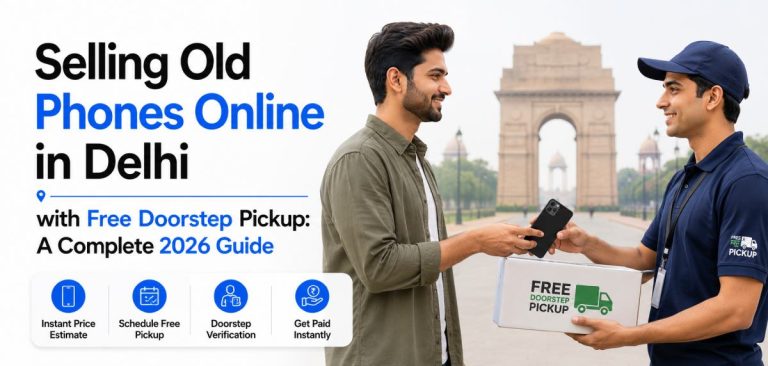
Reebuy streamlines the process with their fast quotation, no-charge delivery, and honest valuation using genuine market data. Their inspection process is transparent; they pay for any signs of cosmetic damage if reported. Users rave about quick pickups and better-than-market prices, turning old phones into upgrade funds effortlessly.
In India, similar services thrive, but Reebuy’s global rep ensures trust. Get a quote online—it’s free and no obligation. Their AI-driven pricing scans thousands of listings, ensuring you beat local bazaar rates. Eco-friendly recycling appeals to sustainability fans, and fast payouts via UPI fit our digital wallet life. I’ve heard stories of sellers getting 15% more than Cashify quotes—worth a try for your next flip. Reebuy’s diagnostic tools even suggest fixes to boost your quote before shipping.
Sell sooner; values drop 10-15% yearly. Clean meticulously—use microfiber for shine. Reset to factory, back up data, and list honestly with clear photos from all angles. Price competitively via tools like 91mobiles’ resale calculator. Bundle perks like cases for upsells.
Avoid common pitfalls: No jailbreaking (voids trust), skip heavy custom ROMs, and dodge water damage—IP ratings aren’t foolproof. Use apps like PhoneCheck for diagnostics—buyers love certified reports. Stage photos in natural light; no filters! Negotiate smart: Start 10% high, meet in the middle. For online, offer video calls to demo functionality.
Treat your phone like an investment asset. Daily cases, updates, and care compound into hundreds more at resale. Those ₹5,000 extra funds will be used for your next EMI.
Common Mistakes That Kill Value
Over-customising kills appeal—stock OS wins. Cracked backs from no cases? Instant 25% hit. Ignoring a storage full of junk apps slows it, mimicking age. Skipping backups loses data, complicating handovers.
Heavy gaming heats batteries prematurely—limit sessions. Using cheap chargers degrades ports faster. Post-sale, always unpair from iCloud/Google to avoid blocks. Forgetting to disable Find My Device turns buyers away fast.
Indian Market Nuances
In India, monsoons wreck unprotected phones, so hydrophobic coatings help. Festive EMI schemes drive upgrades, flooding markets—sell pre-Diwali. GST on used goods is zero, but platforms add fees.
Tier-1 cities like Mumbai and Delhi pay 20% more than Tier-3 cities due to tech-savvy buyers. Women buyers seek safe platforms; highlight secure pickups. Rural demand favours rugged, long-battery models for spotty networks.
Buy modular phones if they catch on—easier repairs. AI features like real-time translation will hold value as they are integrated daily. Sustainable materials boost eco-buyers.
Track trends via YouTube unboxings—hyped colours retain better. Foldables and AR glasses compatibility could redefine resale in 2027.
Negotiating Like a Pro
Know your floor price from three quotes. Highlight unique codes like low usage hours via ##4636## codes. Offer bundles: phone + smartwatch.
Walk away if the lowball demand favours sellers. Build rapport; a friendly chat seals higher deals.
Eco Angle: Sell Smart, Save Planet
Reselling cuts e-waste; India’s 2026 goals push recycling. Platforms audit for data wipe, ensuring privacy. One sold phone saves mining rare earths—feel good while profiting.
Master these, and your phone funds the next beast. In fintech-savvy India, apps like Reebuy turn gadgets into rupees seamlessly. Care today, cash tomorrow—happy selling!